For people living with OCD who haven’t found enough relief through medication or therapy alone, the search for an effective alternative can feel exhausting. TMS for OCD is a non-invasive treatment that uses magnetic pulses to target specific brain circuits linked to obsessive and compulsive symptoms, and it’s giving many patients a genuine reason for hope. This article breaks down how the procedure works, what to expect during treatment, and why specialist clinics like Neuralia TMS in Melbourne are leading the way in delivering it safely and effectively.
Key Takeaways
- Transcranial Magnetic Stimulation (TMS) is a non-invasive treatment increasingly used for Obsessive Compulsive Disorder (OCD) when standard therapies prove ineffective.
- TMS works by targeting and modulating overactive brain circuits associated with OCD, notably within the prefrontal cortex.
- Treatment at specialist clinics like Neuralia TMS in Melbourne involves tailored protocols, daily sessions, and advanced mapping for precision and comfort.
- Clinical studies show that TMS can significantly reduce OCD symptoms, especially in those who have not responded to traditional approaches.
- Most patients tolerate TMS well, with only mild, temporary side effects such as scalp discomfort or headache.
- TMS is usually offered as part of a comprehensive, personalised treatment plan that may also include therapy or medication.
What Is Transcranial Magnetic Stimulation (TMS)?
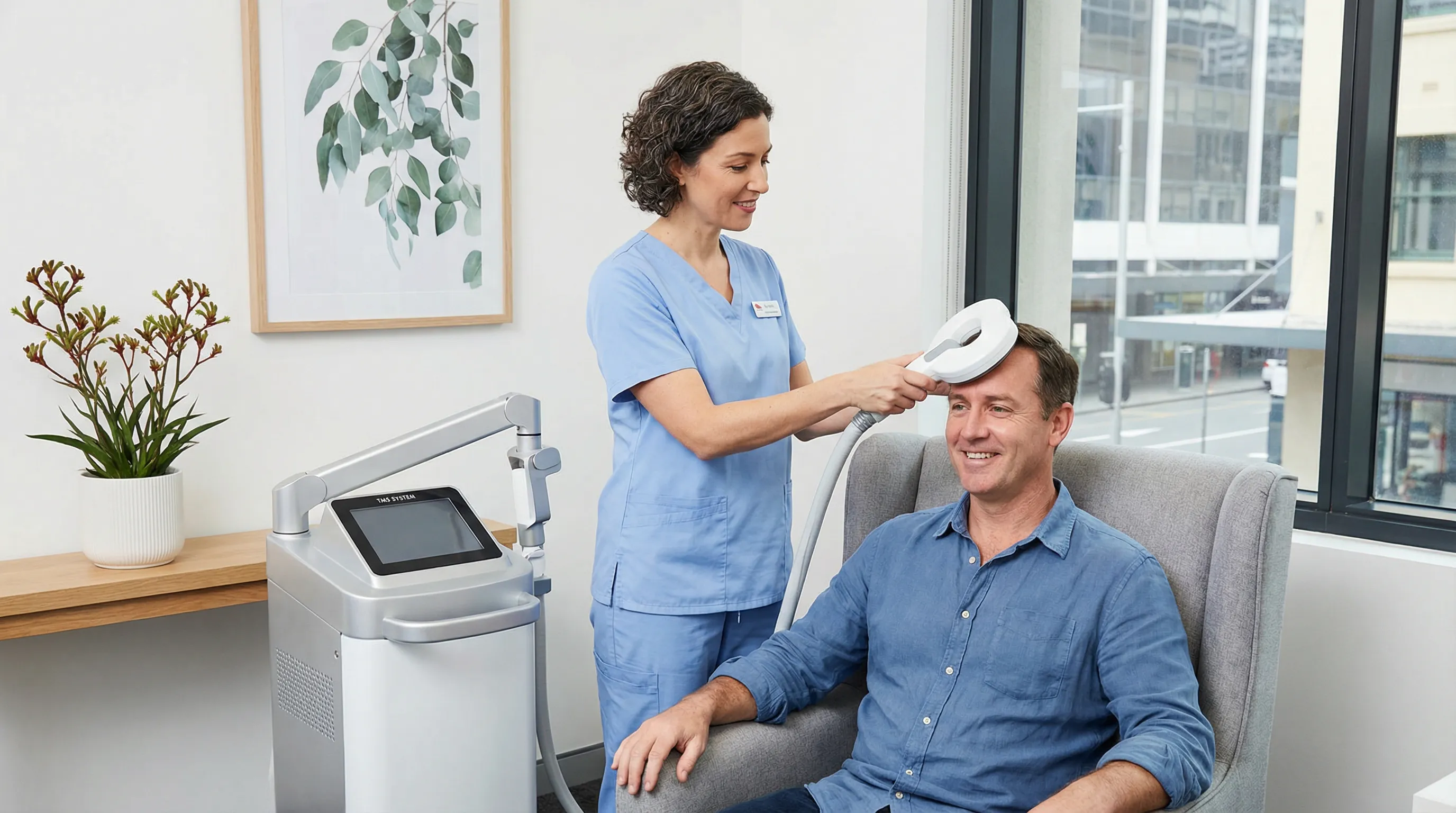
Transcranial Magnetic Stimulation, or TMS, is a form of brain stimulation therapy approved for several mental health conditions, including depression and obsessive compulsive disorder. The treatment involves placing a magnetic coil near the scalp, usually over the front part of the brain. The coil generates brief magnetic pulses that pass painlessly through the skull and alter electrical activity in specific brain circuits.
Unlike medications, TMS does not require surgery, anaesthesia, or the introduction of chemicals into the body. Sessions are typically carried out in outpatient clinics such as Neuralia TMS in Melbourne, meaning there’s no need for hospitalisation. Clinics like Neuralia TMS use state-of-the-art devices to ensure precision and comfort throughout each session. The procedure is safe, non-invasive, and well-tolerated by most people.
Overview of Obsessive Compulsive Disorder (OCD)
Obsessive Compulsive Disorder is a mental health condition marked by recurring, unwanted thoughts (obsessions) and repetitive behaviours (compulsions). People with OCD often feel driven to perform certain actions repeatedly, such as checking locks, washing hands, or counting, in an attempt to ease anxiety caused by their obsessions. These rituals can become time-consuming and interfere with daily life, work, and relationships.
While OCD can affect anyone, the symptoms often begin in childhood or adolescence. Treatment traditionally includes a mix of cognitive behavioural therapy (CBT), particularly exposure and response prevention, and medications like selective serotonin reuptake inhibitors (SSRIs). But, some individuals may not find enough relief from therapy or medication alone, which is where new approaches like TMS come into the picture.
How TMS Targets OCD Symptoms
TMS works by targeting specific networks in the brain thought to be involved in OCD. Research suggests that certain areas of the brain – such as the anterior cingulate cortex and the dorsolateral prefrontal cortex – are overactive in people with OCD. By delivering magnetic pulses to these brain regions, TMS can modulate this abnormal activity.
At clinics like Neuralia TMS in Melbourne, practitioners use advanced mapping and specific TMS protocols tailored for OCD. The goal is to reduce obsessive thoughts and compulsive behaviours by changing how the brain’s neural circuits function. Over time, repeated sessions can help restore balance in these networks, leading to meaningful improvements in symptoms for many patients. This effect is believed to persist well beyond the treatment period, offering hope to people for whom other treatments have not worked.
The TMS Procedure: What to Expect
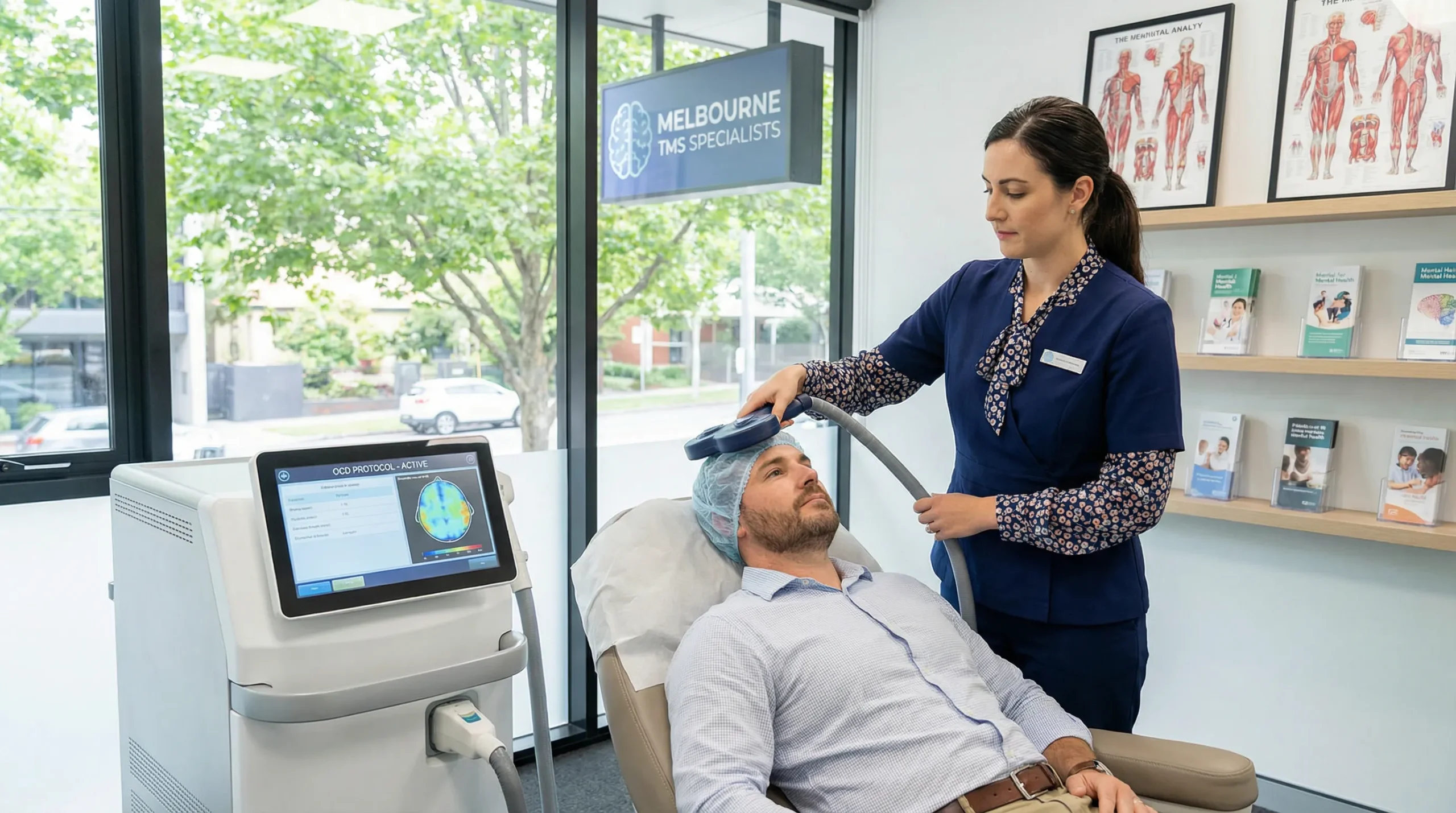
The typical TMS course for OCD involves daily sessions, usually five days a week, over about 4 to 6 weeks. Each session lasts between 30 and 60 minutes. Patients remain fully awake and seated throughout. At the start, a trained clinician at Neuralia TMS will determine precise treatment locations on the scalp, using imaging or neuro-navigation to improve accuracy.
During the session, the magnetic coil is positioned against the head. When pulses are delivered, patients may feel a tapping or knocking sensation, but this is not normally painful. Most people can resume normal activities immediately after each session, with no need for downtime or recovery.
Before starting TMS, a thorough assessment is done to make sure it’s the right option. This may include reviewing medical and psychiatric history, and sometimes a brain scan. Clinics like Neuralia TMS focus on personalised care to make sure each treatment plan addresses the individual’s needs as part of a wider mental health support approach.
Effectiveness and Evidence of TMS for OCD
Several high-quality studies have shown that TMS can significantly reduce OCD symptoms in people who haven’t benefited from other treatments. The strongest evidence supports the use of TMS targeting the prefrontal cortex and associated brain networks. Data from randomised controlled trials show a meaningful reduction in the severity of obsessions and compulsions after a full course of TMS.
In Australia, TMS is approved as a therapy for depression and, more recently, for OCD. At Neuralia TMS in Melbourne, clinicians carefully follow the latest protocols supported by research to maximise the likelihood of symptom improvement. While TMS doesn’t work for everyone, many patients notice positive changes within a few weeks of starting treatment. Results may be assessed using standard OCD symptom scales and follow-up appointments help guide any adjustments to the treatment plan.
Importantly, TMS is often offered alongside – not instead of – ongoing psychological support or medication, forming part of a comprehensive treatment plan tailored to the individual.
Potential Side Effects and Safety Considerations
TMS is considered a safe treatment for OCD, especially when administered by trained professionals in a regulated clinic environment, such as Neuralia TMS. The most common side effects reported are mild scalp discomfort or headache during or after a session. These effects are usually temporary and resolve on their own.
Serious side effects are rare, but it’s important to note that TMS is not suitable for everyone. People with certain types of metal implants in their head (except for dental fillings or braces), a history of seizures, or some neurological conditions may not be eligible. Before starting treatment, clinic staff will conduct thorough screening to minimise risks and address any concerns.
Pregnant people or those with specific medical conditions should discuss potential risks with their doctor. Neuralia TMS places a strong emphasis on patient safety, monitoring throughout every session and adjusting the protocol as needed to ensure the best possible outcomes.
About Neuralia TMS
Business: Neuralia TMS
Spokesperson: Dr Shanek Wick
Position: Medical Director
Phone: 03 9122 5246
Email: [email protected]
Location: Suite 102/149-155 Pascoe Vale Rd, Moone Ponds 3039 VIC
Website: https://neuralia.com.au/
Google Maps Link: https://maps.app.goo.gl/WtomEHHaEnKFjPhg6
Frequently Asked Questions about TMS for OCD
What is Transcranial Magnetic Stimulation (TMS) and how does it help with OCD?
Transcranial Magnetic Stimulation (TMS) is a non-invasive treatment that uses targeted magnetic pulses to stimulate brain regions associated with OCD. By modulating brain activity in these areas, TMS aims to reduce obsessive thoughts and compulsive behaviours in people with OCD.
How effective is TMS for treating Obsessive Compulsive Disorder?
Studies show that TMS can significantly reduce OCD symptoms, particularly in individuals who have not responded to other treatments. Clinical trials support the effectiveness of TMS when targeting specific brain areas, with many patients experiencing noticeable improvement after a full treatment course.
What happens during a typical TMS session for OCD?
During a TMS session, a magnetic coil is placed against the patient’s scalp to deliver magnetic pulses to specific brain regions. Sessions last 30–60 minutes, are non-invasive, and patients usually feel a tapping sensation. There is no downtime, and daily sessions continue for 4 to 6 weeks.
Is TMS safe for OCD patients, and are there any side effects?
TMS is considered a safe treatment for OCD when administered in a professional clinic. Most side effects are mild, such as scalp discomfort or headache, which generally resolve quickly. Thorough screening is conducted prior to treatment to make sure TMS is suitable for the individual.
Can TMS be used alongside medication or therapy for OCD?
Yes, TMS is often combined with ongoing psychological therapy or medication as part of a comprehensive treatment plan for OCD. This integrated approach can optimise symptom reduction and overall wellbeing.
Who should avoid TMS treatment for Obsessive Compulsive Disorder?
TMS may not be suitable for individuals with certain metal implants in the head (except dental fillings or braces), a history of seizures, or specific neurological conditions. Pregnant people or those with unique medical concerns should consult their doctor before starting TMS.